As experienced roofing specialists working across Canberra, we’ve carried out hundreds of roof inspections. Homeowners often ask, “What exactly happens during a roof inspection?” The truth is, a thorough inspection goes far beyond a quick glance at tiles it’s a detailed process designed to catch issues before they become costly problems. Here’s a step-by-step look at how we ensure your roof stays safe, secure, and in peak condition.
Common Issues Homeowners Overlook
In our experience, many homeowners only notice roof problems once leaks appear inside their homes. By then, damage may already be extensive. Some of the most common issues we find include:
- Hidden leaks and early water damage that aren’t visible from the outside
- Cracked or displaced tiles/sheets that compromise the roof’s integrity
- Blocked or damaged gutters and downpipes, leading to water backflow
- Deteriorated flashing and seals around chimneys, skylights, and roof edges
- Poor roof ventilation, causing condensation and material decay
- Storm and weather-related wear, especially after Canberra’s strong winds and temperature changes
Regular inspections allow us to catch these problems early, saving homeowners thousands in repairs and extending the life of their roof.
Step-by-Step Roof Inspection Process
Here’s how we approach every roof inspection to ensure nothing is missed:
1. External Visual Inspection
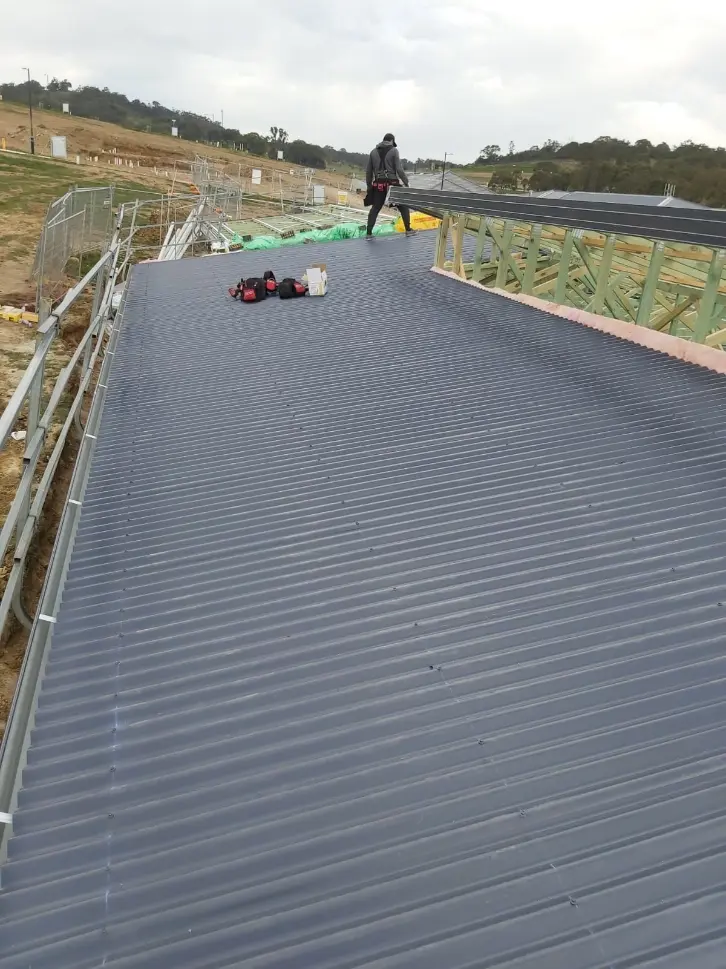
We start by checking the roof surface for damaged or displaced tiles, cracks, and worn areas. Ridges, hips, valleys, and edges receive special attention as they are most vulnerable to leaks.
2. Flashing & Critical Areas
We inspect flashings, seals, skylights, chimneys, and other critical points to catch early signs of deterioration that could lead to leaks.
3. Gutter & Drainage Check
Blocked gutters are a common culprit for water damage. We clear and inspect gutters and downpipes to prevent water backing up under the roofline.
4. Internal Roof Space Assessment
Inside the roof cavity, we look for signs of leaks, rot, sagging, or pest damage. Ventilation and insulation are also evaluated to ensure the roof functions efficiently.
5. Moisture Detection & Leak Tracing
Using advanced moisture meters, we trace hidden leaks that aren’t visible to the naked eye. This prevents minor damp spots from turning into serious structural problems.
6. Documentation & Reporting
Every inspection includes high-resolution photos and videos. We provide a detailed report with actionable recommendations, helping homeowners make informed decisions.
A Real-Life Canberra Case Study
One of the more challenging inspections we conducted involved a homeowner who noticed occasional ceiling stains after heavy rain. Previous inspections had found nothing obvious.
The Problem:
The roof looked fine externally, but leaks were intermittent and hard to detect.
Our Approach:
We noticed slight deterioration in the flashing around a skylight. Using moisture detection tools, we confirmed water was seeping through small gaps during heavy wind-driven rain.
The Solution:
We replaced the faulty flashing, resealed the skylight, and adjusted the gutters for proper water flow.
Outcome:
The leak was completely resolved, even during Canberra’s heaviest storms. Early detection prevented costly structural damage and major repairs.

Common Homeowner Mistakes & Expert Advice
Many homeowners make simple mistakes that can be easily avoided. Minor issues like a loose tile, slight rust, or small water stains are often overlooked. Recognizing these early signs you need roof restoration can prevent bigger problems and costly repairs.
- Delaying inspections: Schedule regular checks, ideally annually or after major storms.
- Ignoring minor signs: Small cracks, rust, or loose tiles can lead to bigger problems if left unchecked.
- Neglecting gutters: Blocked gutters are a leading cause of roof damage clean them regularly.
- DIY repairs: Improper fixes often worsen the issue. Always consult a professional for accurate diagnosis and safe leaking roof repairs, ensuring long-term protection for your home.
- Underestimating Canberra’s weather: Strong winds and temperature swings affect roof longevity use durable materials and schedule inspections accordingly.
Proactive maintenance and early action are key to preventing expensive repairs and extending your roof’s lifespan.
Tools & Technology That Set Us Apart
Our inspections aren’t just thorough they’re enhanced with modern tools and techniques:
- Drone inspections for hard-to-reach areas, capturing detailed aerial images safely
- Moisture meters to detect hidden leaks before they become serious
- Thermal imaging to reveal water ingress, insulation gaps, and ventilation issues
- High-resolution photo/video reporting for transparency and informed decision-making
- Advanced safety systems including harnesses and risk assessments
- Detailed digital reporting with clear recommendations for repairs or maintenance
It’s not just the tools it’s the combination of experience, expertise, and meticulous attention to detail that ensures our Canberra clients receive the best possible service.
Conclusion
A professional roof inspection is far more than a surface check it’s a detailed, preventative process that protects your home and your wallet. From spotting hidden leaks to using advanced detection tools, our Canberra roofing team ensures that every roof we inspect is safe, sound, and prepared to withstand the elements.
Regular inspections allow us to catch these problems early, and a free roof inspection can save you thousands in repairs while extending the life of your roof. Don’t wait for a leak to appear schedule your roof inspection today and enjoy peace of mind knowing your home is protected.
A standard roof inspection usually takes between 45 minutes to a few hours, depending on the size and condition of the roof.
It is recommended to have your roof inspected at least once a year, and after major storms or extreme weather conditions.
A professional roof inspection includes checking tiles or metal sheets, flashing, gutters, roof structure, and identifying any leaks or hidden damage.
Yes, professional roofers use tools like moisture meters and thermal imaging to detect hidden leaks that are not visible to the naked eye.
Yes, regular roof inspections help identify small issues early, preventing costly repairs and extending the life of your roof.